| In This Newsletter: | | | Amargosa Trails: The quarterly newsletter of Friends of the Amargosa Basin. “Monument or bust!” Follow our trails below as we meet another FABber, learn about a "local" national monument, share some fun, science, and food, EARTH DAY-style. Happy Earth Day! We've been busy since our last edition - here are some of the highlights: - We've interfaced with our state representatives and have updated the Inyo County Board of Supervisors regarding the Amargosa Basin National Monument campaign. FAB staff will be in Sacramento in May to advocate for conservation of the Amargosa Basin as part of the overall 30x30 statewide movement.
- We've updated our federal representatives, including our Congressional delegation and U.S. Senators, on the latest with the Amargosa Basin National Monument proposal, including community, tribal, Inyo county, and business support.
- We are continuing to work at the grassroots level to organize partners and community members throughout Inyo and San Bernardino Counties to build momentum for a bottom-up vision for the public lands of the Amargosa Basin.
- FAB has supported our conservation partners by signing on to letters urging greater funding for our public land management agencies for the upcoming fiscal year, in defense of Grand Staircase-Escalante National Monument in the midst of a Congressional Review Act attack, and against the appointment of Stevan Pearce, a noted advocate of public land sell-offs, for director of the Bureau of Land Management.
- We hosted our 3rd Annual Vole Fest event and a bird walk with Len Warren, the "bird man of the Amargosa" to finish off our spring slate of events (more below).
|
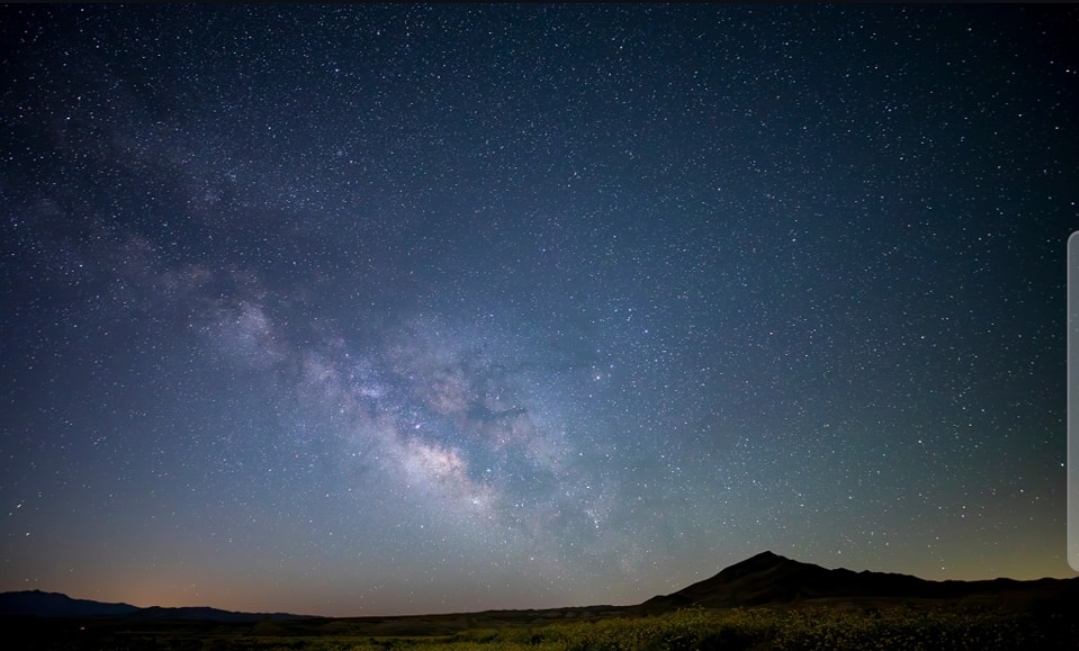
| | | A Spring Night Under Amargosa's Dark Skies By Mig Ponce, President, Las Vegas Astronomical Society | On March 21st, 2026, the Las Vegas Astronomical Society was delighted to partner with Friends of the Amargosa Basin for the first time as part of FAB's annual Vole Fest celebration. Several dozen attendees joined us for a day-and-night astronomy program that began with safe solar observing through specially filtered telescopes and continued after dark with a Messier Marathon-style stargazing session. The clouds kept us on our toes (as clouds enjoy doing whenever telescopes appear!) but we still managed to share memorable views of Jupiter, the Andromeda Galaxy, the Orion Nebula, and several other late-winter treasures.
One of the real stars of the evening was the sky itself. Using a sky-quality meter at the Shoshone RV park, we measured the night sky at the Shoshone RV Park to be the level of Bortle 4 (the Bortle scale being a common measure of sky darkness), which is darker than what most of the U.S. is able to see at night. Just a short distance away from town lights, the surrounding Amargosa Basin likely improves even further, approaching the kind of truly dark desert sky that is becoming rare across the country. That darkness is more than a novelty for astronomers and stargazers: it is a natural resource, a wildlife resource, a cultural resource, and a quiet kind of magic. It allows visitors and residents alike to see the Milky Way, faint stars, deep-sky objects, and the broader shape of the cosmos in a way that light-polluted places simply cannot offer. Like the springs, wetlands, desert landscapes, and wildlife of the Amargosa Basin, the dark sky is something to be treasured, protected, and passed on.
As April moves into May, there is still plenty to see overhead. Jupiter remains a bright and easy evening target, shining like a steady beacon in the western sky, and even a small telescope can reveal its four largest moons. The bright winter Milky Way is now setting early, while the richer summer Milky Way will not climb into easy evening view until later in the season; for now, it rises around midnight, but by this time next month it will be arriving roughly two hours earlier. Spring is also known among astronomers as “galaxy season,” because our nighttime view turns away from the dense star clouds of the Milky Way and out toward the wider universe. Many galaxies are faint, soft smudges even through a telescope, so this is not always the flashiest season for beginners. But under a dark Amargosa sky, simply sweeping the heavens with binoculars can be deeply rewarding. Look long enough, and the desert reminds you that the night is not empty. It is full. |
|
|
| |
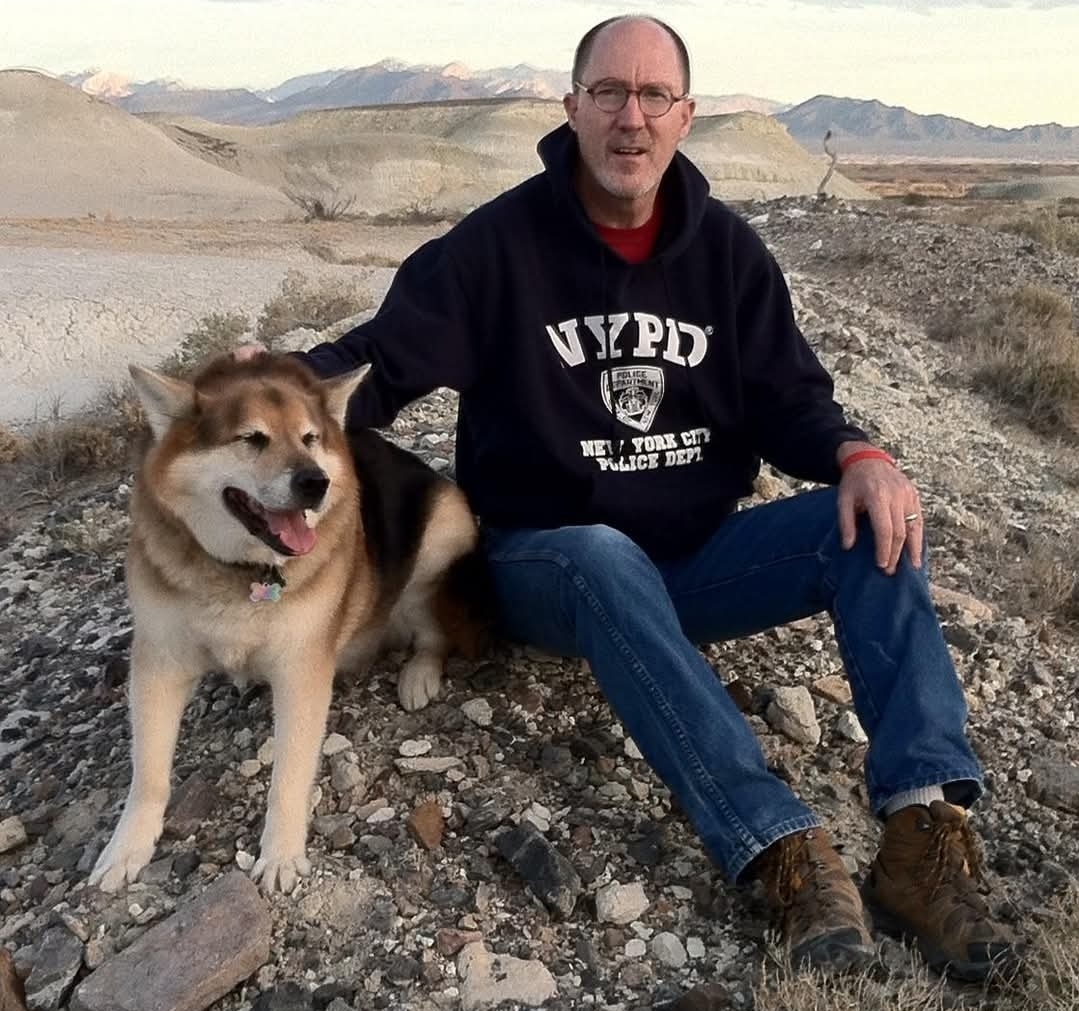
Getting to Know FAB: Introducing Lee Adams, Sierra County Supervisor, & Vice President of the FAB Board of Directors | Lee likes to say that wherever he travels, history is the reason he’s there—and that has shaped just about every chapter of his life. Born in San Francisco and raised on the Peninsula, he eventually found his way to the Sierra, settling in the Gold Rush town of Downieville, which has been home for most of his adult life. After earning a B.A. in Criminal Justice from Sacramento State, he began his career in public service as a deputy sheriff at just 22 years old in 1979. Less than a decade later, he was elected Sierra County Sheriff, a role he held for 18 years (1988–2007), becoming a steady presence in a small, close-knit community where history is never far from the surface. Retirement, as it turned out, didn’t suit him for long. After two years, Lee was back in public service, elected to the Sierra County Board of Supervisors in 2009, where he continues to serve. In 2018, Governor Jerry Brown appointed him to the State Historical Resources Commission—an especially fitting role for someone who has authored five successful nominations to the National Register of Historic Places. Lee’s connection to the desert began in the 1980s, when a childhood and college friend went to work in Inyo County and introduced him to Death Valley National Park. From there, he enjoyed years of camping, exploring, and slowly developing a deep attachment to the landscape. Eventually, he discovered what he now calls his “special place in the world,” a small oasis just south of Shoshone, California. He gave it a name with a wink—the Lake Tecopa Yacht Club. There are no yachts in this desert, of course—just five acres, a modest cabin, and a quiet sense of belonging. Today, the name lives on in a different way as well, marking a 2½-mile adopt-a-highway stretch along State Highway 127 that many travelers pass with curiosity, saying: “What, wait, where is the lake?” His long relationship with the desert has given Lee a front-row seat to change. Over more than two decades, he has watched interest in places like Shoshone and the surrounding Amargosa Basin grow steadily. He welcomes that curiosity, but he is also keenly aware of how fragile the area is. The desert, he will tell you, does not easily recover from being loved too hard. For Lee, public lands are not just scenic—they are personal. So when the opportunity arose to join the FAB board, he was all in. The work aligns with what has long motivated him: protecting landscapes that hold ecological, historical, and cultural significance, while ensuring they remain accessible to future generations. He believes that designation as a national monument offers the best path forward—an approach that would even place his own small desert refuge as an inholding within its boundaries. For Lee, that’s not a complication; it’s part of the commitment. He is joined in that commitment by his husband, Stuart Lauters, who serves on the Shoshone Museum board of directors, and who also shares a deep investment in the desert community. Together, they represent a kind of stewardship rooted not just in policy or advocacy, but in long familiarity, lived experience, and a genuine affection for a place that continues to shape their lives. |
| |
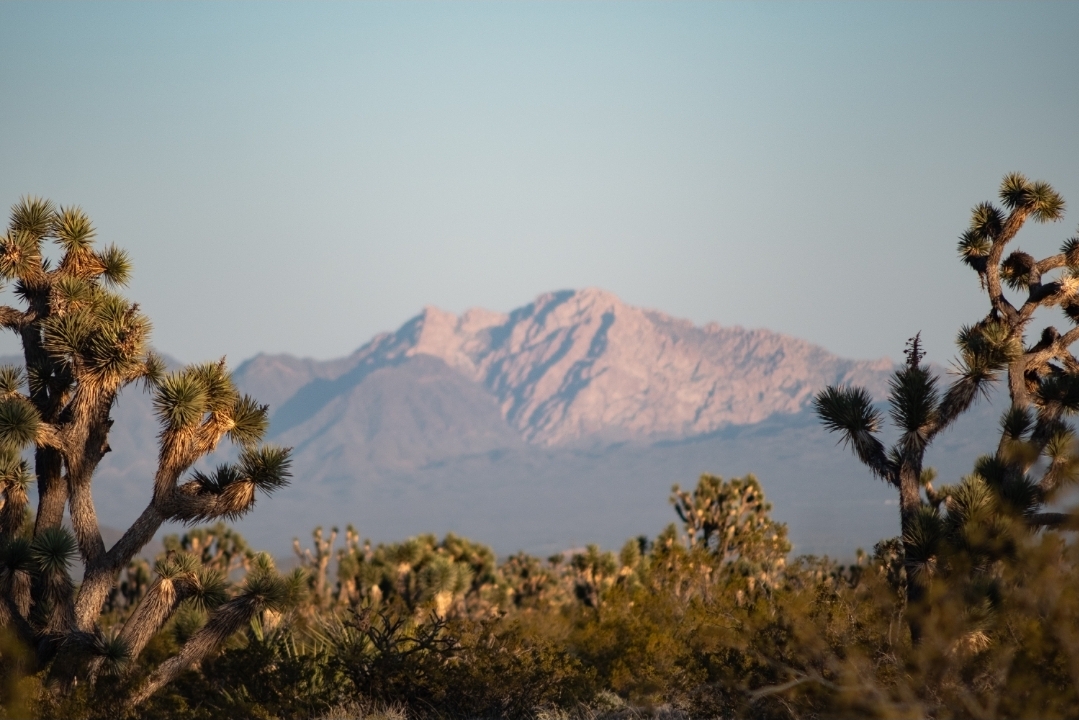
Diversity of our Federal Lands: Avi Kwa Ame National Monument | Here we are again with another national monument—this time in the Mojave Desert of southern Nevada. Avi Kwa Ame National Monument was established in 2023 by Presidential Proclamation by President Biden and includes Bureau of Land Management lands surrounding Spirit Mountain, a landscape of profound cultural and ecological significance. Activities here include hiking, camping, hunting (in accordance with state regulations), and use of off-highway vehicles on designated routes. As with many national monuments, Avi Kwa Ame is not a national park but rather a carefully managed landscape that balances recreation, conservation, and cultural protection. While new mining claims are not allowed, valid existing rights may continue. This framework reflects a broader goal: to protect the land’s natural and cultural resources while still allowing for responsible public use. The natural features of Avi Kwa Ame are classic Mojave Desert, but with striking diversity. Elevation gradients—from low desert basins to rugged mountain peaks—create a range of habitats that support Joshua tree woodlands, creosote bush scrub, and desert riparian areas. These ecosystems are home to desert bighorn sheep, golden eagles, kit foxes, and the federally threatened desert tortoise, among many other species. Seasonal wildflower blooms and ephemeral water sources further highlight the dynamic nature of this desert environment, which, while often perceived as harsh, is rich with life adapted to its extremes. Geologically, the monument is equally compelling. The landscape reflects millions of years of tectonic activity, volcanic history, and erosion, creating dramatic formations, desert washes, and rugged mountain terrain. These features not only shape the ecology but also influence how people have interacted with the land over time. That human history is especially significant here. Avi Kwa Ame, or Spirit Mountain, is sacred to numerous Indigenous tribes, including the Fort Mojave Indian Tribe, as well as the Chemehuevi, Hopi, Hualapai, and Yavapai peoples. The area is central to origin stories, spiritual practices, and cultural identity. Archaeological evidence across the monument includes petroglyphs, habitation sites, trails, and resource use areas that reflect thousands of years of continuous human presence. This deep cultural connection is one of the defining reasons for the monument’s protection. In recent decades, increasing visitation and development pressures have highlighted the need to protect this landscape. Like many desert regions, Avi Kwa Ame is both resilient and fragile—able to endure extremes, but slow to recover from disturbance. Its designation as a national monument reflects a broad coalition of tribal nations, local communities, conservation groups, and policymakers who recognized its importance. Avi Kwa Ame stands as an example of how federal lands can serve multiple purposes: preserving biodiversity, protecting cultural heritage, and providing opportunities for people to experience a remarkable landscape. In doing so, it ensures that this place—sacred, diverse, and enduring—remains for generations to come. |
|
|
| |
|
| | | Food For the Body and Soul | From Board member Darrel Cowan: “Mexican corn bread” My grandmother in Los Angeles wrote out this recipe many years ago. I’ve made some minor changes. She used canned chopped jalapeños, but I think they are too spicy, so I substitute canned diced green chilies, which are much milder. [Editorial note from Janet- I love the picante! I would use the jalapeños] Ingredients: 1 cup cornmeal ½ tsp soda ¾ tsp salt 1 one-pound can cream-style corn 2 eggs beaten a splash of olive oil [she used ¼ cup bacon drippings!!] 1 cup milk shredded cheddar cheese a few stalks of green onions, chopped small can of diced green chilies Directions: Stir cornmeal, soda, and salt together in a mixing bowl. Add corn eggs, milk, and oil. Stir until well-mixed and dry ingredients are moistened. Pour half the batter into a greased oblong baking dish [I use a 7"X12”]. Scatter the chilies, onion, and cheese [I use cheese sparingly] over the batter. Top with the remaining batter. Bake at 350° 30 to 45 minutes. I check it using a knife after 30, though it sometimes needs about 40. I like the bread a bit moist, not dry. |
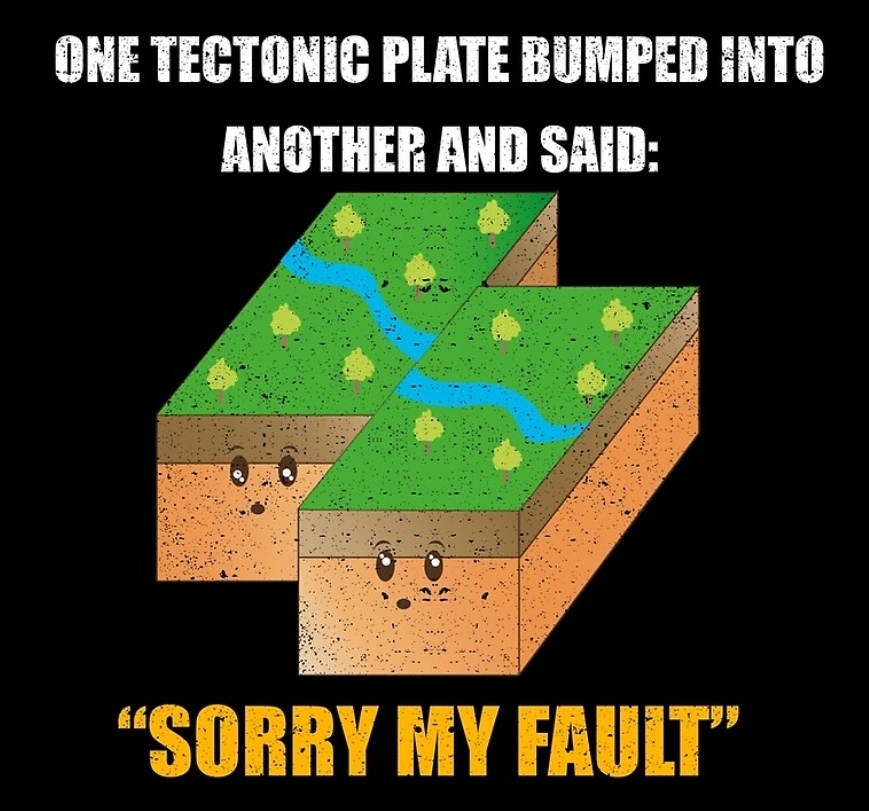
| | A Little Desert Humor | What did one tectonic plate say when they bumped into another? "Sorry, that was my fault." Have your own desert-themed joke? Send it to us and we'll feature it in an upcoming newsletter! |
| | Events & Notices | We've had a busy spring season here in the Amargosa, and while we take a brief break from hosting and work to get together events for the next cool season, we thought that we would share a quick recap of what we have done together this past spring: Volunteer opportunities: We co-hosted a honey mesquite planting event at the Timbisha Shoshone village in Death Valley, along with many other partners. We also helped out our land manager friends with a fencing project at a spring in the Kingston Range.
3rd Annual Vole Fest: From morning field tours in local marshes with Vole scientists to afternoon festivities at the Tecopa community center, and an evening star party in collaboration with the Las Vegas Astronomical Society, participants explored the best of the Amargosa here on earth and in the heavens above.
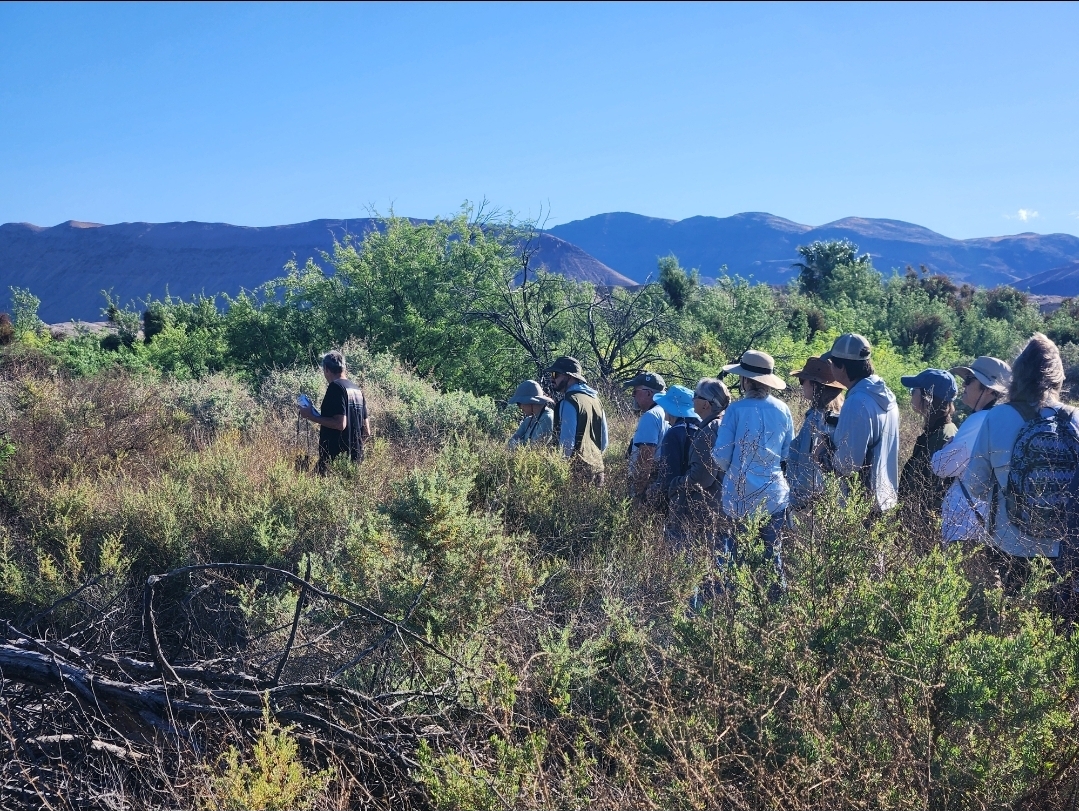
Birding with Len Warren: Participants were introduced to the introductory principles of birding by a local expert, regaled with stories of nest searching in the heat of a Death Valley summer, and more with charismatic FAB volunteer board member Len Warren.
Stay in contact with FAB - follow us on social media, send this newsletter to your friends, family, and co-workers, and check out our website for information, events, updates, and more! Did you know that you can find all of our old newsletters and a range of interesting blogs here?
Want to sport your very own Vole Fest and FAB gear? You can order t-shirts, sweatshirts, and more on our Bonfire store. See the button below or this link here. |
| | |
|
| | | | Friends of the Amargosa Basin
PO Box 145 | Shoshone, California 92384
775.513.5065 | [email protected] |
| | |
|
| |
|
|